How do we measure a leader’s effectiveness?
How do we measure a leader’s effectiveness?
As many school leaders reach retirement this time of year, I’ve been reflecting on that question.
Is leadership measured by student achievement?
Enrollment growth?
Revenue generation?
New facilities?
Accreditations?
School culture?
The answer is probably some combination of all of them.
But I suspect the truest measure of leadership is the leaders you leave behind.
Buildings age. Strategic plans get rewritten. New leaders arrive with new priorities. What endures are the people who continue the work.
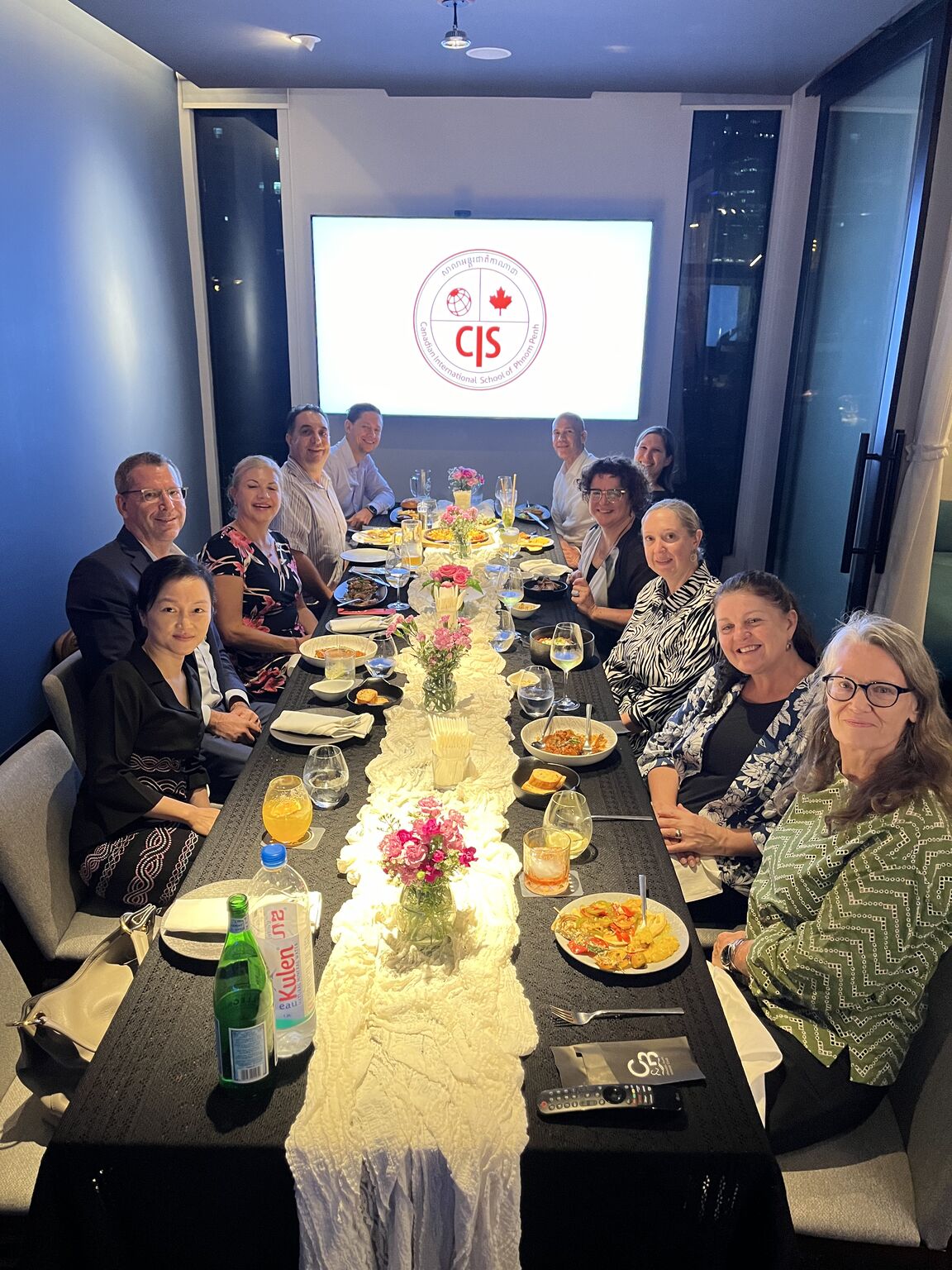
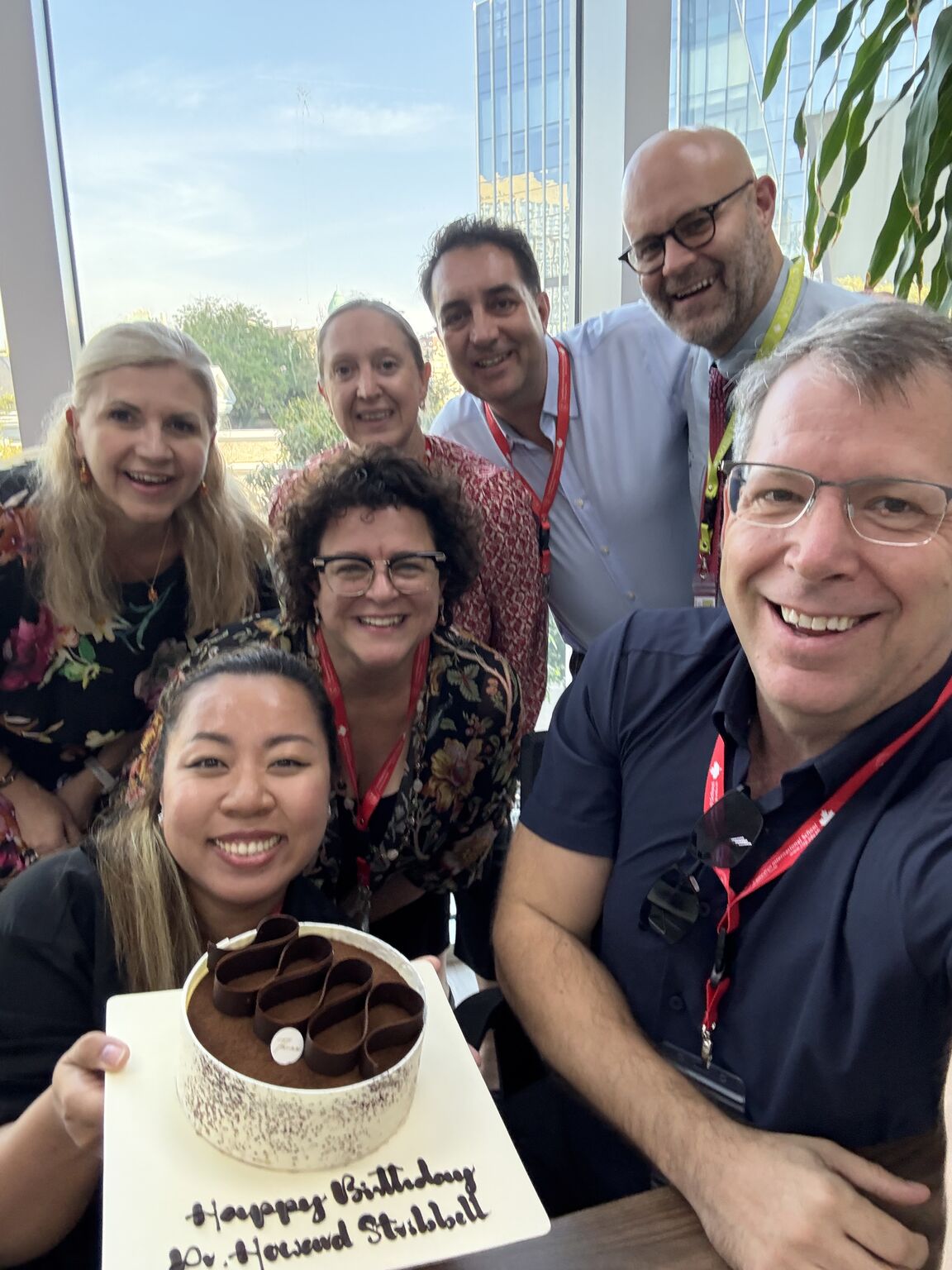
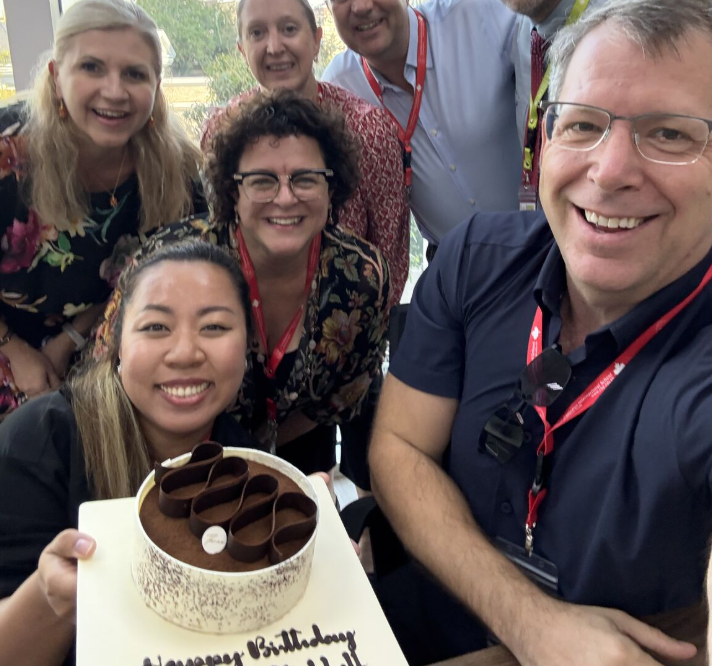
As Leah Dushenski M.Ed. finishes her time at the Canadian International School of Phnom Penh, there are many ways to measure her success over the past five years.
The school grew to nearly 1,000 students.
The school achieved IB authorization and CIS accreditation.
First four graduating classes with university acceptances around the world.
Systems, policies, and operating procedures were strengthened.
Those are important accomplishments.
But when I look around Canadian International School of Phnom Penh (CIS) , what I see most clearly is a legacy of leadership.
Leah invested deeply in developing people. She challenged leaders to grow professionally and personally. Leaders who were passionate about the portfolios but also worked together. She created a culture where leaders could stand before the board with confidence, present their work, receive feedback, and continue improving. She helped build a leadership team capable of carrying the school forward.
That may be her greatest accomplishment.
The strongest leaders do not create followers.
They create other leaders.
Thank you, Leah, for your leadership, your service, and for leaving CIS stronger than you found it.
Joanne Wynn Michelle Jones Zak Garofolo Thomas Midbo Jonathan Horsnell Donna Trafford OCIC Real Hryhirchuk Luka D'Amato Sopheak Meas Angela Sutton Daun Yorke Shailani Borges