How to Use Student Feedback to Improve Teaching

Should students evaluate their teachers?
No.
But they must be involved in the learning process. And that process must include their feedback to the teacher.
Let me explain the difference.
An evaluation is a judgment. It’s a scorecard. It implies a power dynamic where the student holds a gavel over the teacher’s career. This, understandably, breeds fear, distrust, and defensiveness. It makes the classroom a courtroom.
Feedback, on the other hand, is a conversation. It’s a diagnostic tool. It’s the learner saying, “This is how the teaching is landing for me. This is where I’m getting stuck.”
One shuts down growth. The other fuels it.
I’ve seen the fear in a teacher’s eyes when the topic of “student surveys” comes up. They imagine a barrage of personal attacks from teenagers. But that’s not what happens when you structure it not as an evaluation, but as a collaborative inquiry.
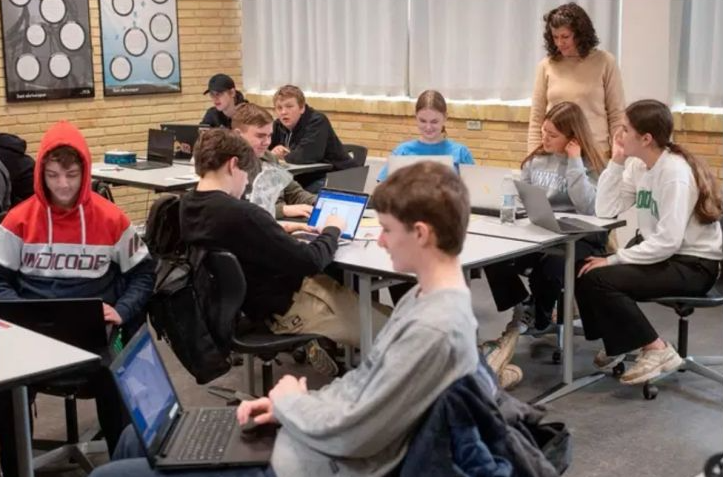
The International School of Macao created an effective system. The teacher chose the class and surveyed them twice during the course. The teacher held the results first. The purpose was never for the principal to use it against them. The purpose was to give them a mirror—a clear, honest reflection of the learning environment from the only other people who experience it as fully as they do.
And what did we see in that mirror?
Not malice. Profound insight.
Students wrote things like:
- “When you give us the key points at the start, it helps me know what to listen for.”
- “I am too nervous to ask a question in front of everyone. Could we have a different way to share our confusions?”
- “The project was interesting, but it took too much time and I had a lot of homework in other classes.”
- “When you let kids fool around too much, it wastes all of our time.”
This isn’t criticism. This is a roadmap. It’s raw data on the lived experience of your teaching.
The most courageous and effective teachers used the feedback. They went back to their class and said, “You said X. I heard you. I’m going to try Y. Let me know if it helps.”
That’s when the magic happens.
It requires vulnerability to listen. It requires trust to believe the intent is not to harm, but to help. But the alternative is teaching in a vacuum, guessing at what’s working.
The hard truth is this: If we believe in a student-centered learning environment, then we must have the courage to center their voices in its continuous improvement.
Where have you seen student feedback implemented well? What fears did you have to overcome, and what was the result?
The dialogue is where we grow.
This topic sparked some interesting perspectives! Jump into the conversation and explore what others are saying:
.png)